
SMBE 2026
Programme
CONFERENCE PROGRAMME
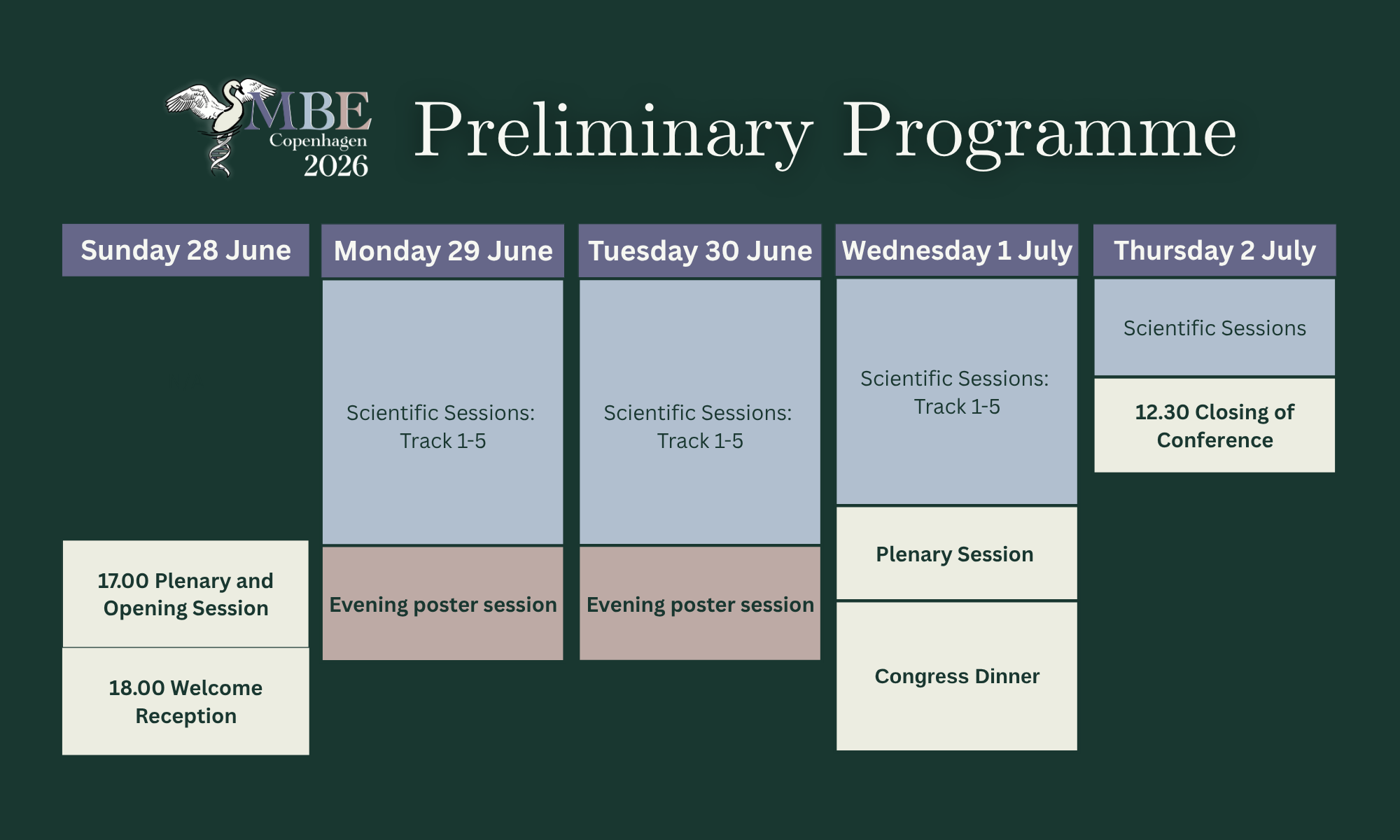
This programme overview presents the preliminary conference program, offering a general outline of the planned sessions and activities of each day.
Please note that the schedule is subject to change and will be updated and specified continuously.
Symposium proposal is closed.
Abstract submission is open.
Plenary speakers
We are pleased to present the confirmed plenary speakers of SMBE 2026.
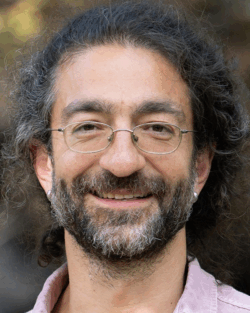
Mehmet Somel
Human societies past and present in light of ancient DNA

Moises Exposito-Alonso
Rapid adaptation and extinction across climates in synchronized outdoor evolution experiments of Arabidopsis thaliana

Nandita Garud
tba

TBA
tba
Selected Symposia
See all selected symposia listed below. Expand the field to see the speaker and organisers and to read more about the symposium.
S01 Evolutionary-informed management of vulnerable populations in a rapidly changing world
Organisers
- Claudia Fontsere — Globe Institute, University of Copenhagen, Denmark (Female)
- Hernán E. Morales — Globe Institute, University of Copenhagen, Denmark (Male)
- Mirte Bosse — A-Life, Vrije Universiteit Amsterdam, Netherlands & Wageningen University & research, Netherlands (Female)
- Christina Hvilsom — Globe Institute, University of Copenhagen, Denmark (Female)
Invited Speaker
- Cock van Oosterhout — School of Environmental Sciences, University of East Anglia (UEA), Norwich Research Part, UK (Male)
Habitat change, domestication, captive management, translocations and (re)introductions can disrupt the equilibrium between mutation, drift, gene flow, and selection, resulting in out-of-equilibrium populations. These populations may have altered genetic diversity, carry an excess of maladaptive or deleterious variation, experience reduced fertility and survival, or face difficulties adapting to the new conditions. The road towards a new (dynamic) equilibrium involves random and adaptive changes to gene pools that come with a considerable fitness cost. This cost reduces population viability, on top of any direct threats to these populations that reduce the vital rates. Managing such fragile populations demands evolutionary insight: What is the fitness cost of attaining a new equilibrium? When and how should we restore gene flow? How do we estimate their extinction risk? How can we steer selection or redesign habitats to recover resilience?
This symposium convenes evolutionary genomicists, bioinformaticians, and applied conservationists.
Potential topics include: (i) temporal and spatial genomics to assess genetic diversity; (ii) predictive tools to couple demography, gene flow, and selection under realistic management scenarios; (iii) transferable lessons across systems, where domestic and captive management inform wildlife decisions, and vice versa; and (iv) decision frameworks that translate genomic signals into actionable interventions.
In a nutshell, this symposium aims to explore how genomic insights can guide the persistence and resilience of fragile populations. In doing so, it will also provide a unique opportunity to engage with a wide range of scientists from other disciplines and stakeholders, including international biodiversity initiatives, zoo and wildlife managers.
S02 Powers and pitfalls of artificial intelligence for molecular evolution and phylogenetics
Organiser
- Sudhir Kumar — Institute for Genomics and Evolutionary Medicine, Temple University, USA (Male)
Invited Speaker
- Anne-Florence Bitbol — EFPL (École Polytechnique Fédérale de Lausanne), Switzerland (Female)
Artificial intelligence (AI) is poised to reshape the landscape of molecular evolution and phylogenetics. A growing number of machine learning and deep learning methods are being developed for tasks ranging from inferring evolutionary trees and detecting selection to modeling sequence evolution and predicting protein structures. Yet many remain skeptical, as fundamental questions persist: What exactly do these models learn from biological data? How do their internal representations relate to established evolutionary principles? And crucially, what are their blind spots?
This symposium will provide a timely forum for examining both the transformative potential and the critical limitations of AI in evolutionary research. Speakers will explore how AI models capture patterns of evolutionary variation and divergence, and whether their learned representations and models genuinely reflect underlying evolutionary mechanisms. The session will also feature discussions of new methodological advances, emerging interpretability frameworks, and benchmark analyses testing the reliability and reproducibility of AI-driven inferences. By bringing together evolutionary biologists and computational scientists, this symposium aims to spark an interdisciplinary dialogue that clarifies ways in which AI may represent conceptual and practical advances.
S03 Genome Plasticity and Evolutionary Innovation
Organisers
- Henrik H. de Fine Licht — University of Copenhagen, Denmark (Male)
- Andi M. Wilson — University of Copenhagen, Denmark (Female)
- Aleksandra Z. Gesiorska — University of Copenhagen, Denmark (Female)
Invited Speaker
- Daniel Croll — University of Neuchatel, Switzerland (Male)
Structural variation and flexible genomic architectures play important roles for driving evolution in almost all living organisms. The genome is no longer considered static genetic material that remains unchanged over the course of an individual’s lifespan. Instead, epigenetic changes, transposable elements, accessory chromosomes (also known as B chromosomes), plasmids and other mobile genetic elements are known to significantly alter the structure and content of the genome and thereby enable rapid adaptation and contribute to evolutionary innovation. Thus, understanding the dynamics of genome plasticity is essential if we wish to elucidate how species across the tree of life respond to changing environments and selection pressures.
This symposium will explore how plasticity at the genomic level drives key adaptive processes in diverse contexts such as nutrient utilization and niche exploration, host specificity and symbiotic relationships, pathogenicity and virulence, sexual reproduction and mating, and responses to abiotic and biotic stressors. We anticipate presentations covering topics such as horizontal chromosome transfer, 3D genome structure, genome compartmentalization, and large-scale structural rearrangements. The symposium aims to highlight the similarities, differences, and constraints between genomic instability and adaptive innovation across bacteria, fungi, plants, animals, and other eukaryotic and prokaryotic taxa. These are exciting times as research on both the precise mechanistic aspects of genomic plasticity as well as the broader evolutionary consequences are increasing and maturing. The overall aim of this symposium is to foster an integrated and comparative perspective of genome plasticity across diverse systems.
S04 Mining the Archive: Evolutionary Genomics from Public Repositories
Organisers
- Allie M Graham — University of Kansas, USA (Female)
- Wynn Meyer — Lehigh University, USA (Female)
Invited Speaker
- Robert M Waterhouse, PhD — SIB Swiss Institute of Bioinformatics, Switzerland (Male)
Public genomic repositories such as NCBI’s Sequence Read Archive (SRA), GenBank, the European Nucleotide Archive (ENA), and other open databases now contain petabytes of sequencing data spanning every major branch of life. Much of this material was generated for narrowly defined studies but remains rich with untapped potential for addressing entirely different questions. This symposium will bring together researchers who treat these repositories as a primary research site – a “field” in which large-scale discovery happens not through collecting new specimens, but by mining existing datasets for novel insights. Talks will span diverse approaches and data types, such as reprocessing whole genome or RNA-seq data for comparative analyses, or detecting introgression, structural variants, and signatures of selection hidden within archived reads.
Beyond biological results, the symposium will also highlight the methodological and conceptual frameworks that make such work possible. Speakers will address challenges in working with public archives, including heterogeneous metadata, inconsistent annotations, variable sequencing quality, and batch effects.
By showcasing the power of public data reuse, this symposium aims to highlight how open science practices democratize access to cutting-edge molecular evolution research, reduce environmental and financial costs of new data collection, and accelerate discovery in a time of unprecedented data availability.
S05 Molecular Evolution in the Era of Genetic Diversity Decline
Organisers
- Madlen Stange — Leibniz Institute for the Analysis of Biodiveristy Change, Germany (Female)
- Deborah M. Leigh — Senckenberg Research Institute and Institute of Ecology, Evolution, and Diversity, Faculty of Biosciences, Goethe University, Germany (Female)
Invited Speaker
- Margaret Hunter — USGS Wetland and Aquatic Research Center, USA (Female)
Loss of genetic diversity is now recognised as a critical component of the global biodiversity crisis, with direct implications for species’ adaptive potential, population persistence, and long-term evolutionary trajectories. For molecular evolutionists, this represents both an urgent challenge and a unique opportunity: unprecedented genomic resources and analytical methods allow us to quantify genetic erosion, reconstruct historical baselines, and model future outcomes at scales unimaginable a decade ago. We are now able to directly study evolutionary processes in declining, newly formed, or eroded populations, which offer unique insights into the evolutionary past and future. This symposium aims to highlight research at the interface of molecular evolution, population genomics, and biodiversity monitoring. We will showcase cutting-edge genomic methods—ranging from ancient and historical genomics, whole genome-based analyses, and multispecies genomic syntheses, to entirely novel AI and synthetic biology frameworks—that track population-level molecular change over time and space. How these methods have been used to identify evolutionary patterns or changes in the face of loss or restorative action. As well as, how these methods can be used to support transformative change. By bringing together researchers working on evolutionary theory, genomic inference of diversity loss, temporal monitoring of populations, and large-scale data integration, this symposium will provide a forum to identify common conceptual ground, share methodological innovations, and explore the methods needed for future advances.
S06 Synthetic and Systems Biology Approaches to Dissecting the Molecular Mechanisms of Evolution
Organisers
- Weiyi Li — Stanford University, United States (Male)
- José Aguilar Rodriguez — Stanford University, United States (Male)
Invited Speaker
- Christian Landry — Université Laval, Canada (Male)
Recent advances in synthetic biology—such as DNA synthesis, genome editing, and large-scale genome engineering—have enabled genetic changes to be introduced at unprecedented scale and precision, from single-nucleotide edits and indels to whole-gene replacements, genome-wide codon reassignments, and extensive genomic rearrangements. Some of these modifications represent variants that have never been tested by evolution, whereas others correspond to naturally occurring polymorphisms, interspecies substitutions, or reconstructed ancestral states. When coupled with high-throughput fitness assays and experimental evolution, these approaches now allow systematic measurement of the fitness effects and evolutionary consequences of vast numbers of designed genetic changes across entire genes, pathways, and even molecular networks. Together, synthetic and systems biology approaches are now generating the scale and depth of empirical data that evolutionary theory has long envisioned. The ability to engineer, perturb, and evolve biological systems across levels of organization provides unprecedented opportunities to test classical and emerging evolutionary hypotheses and to reveal how molecular processes shape and are shaped by evolution. This symposium will provide a forum to share new findings, discuss technological innovations, and foster collaborations across these disciplines, ultimately illustrating how synthetic and systems biology are transforming our understanding of the molecular mechanisms underlying evolutionary change.
S07 From Trees to Graphs: Methodological Advances and Innovative Applications of Graphs in Evolutionary Analysis
Organisers
- Jacky Kaiyuan Li — UC Berkeley, United States
- Chao Zhang — Peking Univeristy, China (Male)
- Andrew Vaughn — UC San Francisco, United States (Male)
Invited Speaker
- John Huelsenbeck — UC Berkeley, United States (Male)
The introduction of trees to model evolutionary history revolutionized biology by providing a framework for understanding diversification. Early work, such as Kingman’s coalescent theory for population genetics and Felsenstein’s pruning algorithm established the basis for probabilistic inference of evolutionary trees. However, the advent of high-throughput technologies such as whole-genome sequencing and large-scale protein analysis has elevated expectations for evolutionary inference, placing traditional tree-based models under greater scrutiny. Recombination leads to heterogeneous genealogies across the genome, making a single tree an incomplete representation of population history. Similarly, in phylogenetics, tree-based probabilistic models are insufficient to capture heterogeneity in evolutionary processes across sites or lineages. Graphical models have since emerged as a natural alternative. In population genetics, ancestral recombination graphs provide a framework for whole-genome likelihood inference, explicitly modeling recombination events and the resulting mosaic of genealogical histories. In phylogenetics, phylogeneticgraphical models integrate trees, parameters, and data within a unified probabilistic framework based on directed acyclic graphs, allowing the generative process of sequence evolution and complex dependencies among parameters to be represented coherently. Admixture graphs and phylogenetic networks further extend species trees by adding reticulation edges with inheritance probabilities, enabling explicit modeling of hybridization and introgression events. These graph-based approaches extend the scope of classical tree models and enable more accurate inference of population size histories, mutation rates, and other key evolutionary parameters. This symposium will bring together researchers developing and applying evolutionary graphical models to highlight both methodological advances and innovative applications.
S08 Epigenomics, structural variation, and genomic offset: Predicting climate adaptation in crops and wild relatives
Organisers
- Cornille Amandine — NYU Abu Dhabi (Female)
- Gros-Balthazard Muriel — Institut Recherche pour le Developpement (IRD) (Female)
Invited Speaker
- Chloe McLaughlin — HudsonAlpha Institute for Biotechnology, US (Female)
Structural variants—such as insertions, deletions, and transposable elements—represent major sources of functional and regulatory innovation. At the same time, epigenetic modifications offer an environmentally responsive and potentially reversible mechanism of gene regulation. Together, these genomic layers play critical roles in shaping how plants respond to environmental stress. In parallel, genomic offset and genome–environment association (GEA) approaches are transforming our ability to link genomic variation with ecological gradients and climate-related phenotypes. These methods offer predictive frameworks to assess vulnerability or resilience under future climate scenarios—especially when applied across the continuum of crop domestication and wild ancestry.
This symposium will showcase recent advances in population epigenomics, structural variant analysis, and genomic offset modeling, with a particular focus on comparative studies of annual and perennial crops and their wild progenitors. We will explore how genomic architecture and life history interact to shape climate adaptation, highlighting integrative studies that connect genomic and epigenomic variation to phenotypic traits across environments.
S09 New frontiers in sex evolution: evolutionary patterns and innovations
Organisers
- Aurora Ruiz-Herrera — Universitat Autònoma de Barcelona, Spain (Female)
- Daniel Jeffries — University of Bern, Switzerland (Male)
- Paul Jay — University of Grenoble Alpes, France (Male)
- Sonia Garcia — Institut Botànic de Barcelona, Spain (Female)
- Böhne Astrid — Leibniz Institute for the Analysis of Biodiversity Change, Germany (Female)
- Chiara Benvenuto — University of Salford, UK (Female)
Invited Speaker
- Nicole Valenzuela — Iowa State University, USA (Female)
Sexual reproduction is a fundamental biological process, yet its evolutionary origins and the forces driving its diversity remain among the most intriguing and debated questions in evolutionary biology. This symposium will explore the evolution of sex across the tree of life, integrating perspectives from genomics, developmental biology, ecology, and theoretical modeling. We aim to highlight recent advances in understanding the mechanisms driving transitions between sexual systems (e.g., from hermaphroditism to dioecy, or between environmental and genotypic sex determination), the role of sex chromosomes and epigenetic regulation, and the evolutionary forces shaping sexual dimorphism and reproductive strategies. By bringing together researchers working on diverse eukaryotes (from fungi and plants to vertebrates and invertebrates), this symposium will foster cross-disciplinary dialogue and identify common principles and unique trajectories in sex evolution.
Topics to be covered can include, (i) evolutionary transitions in sexual systems and sex determination, (ii) genomic architecture and epigenetic regulation of sex, (iii) role of meiosis, recombination and chromosome dynamics in sex evolution, (iv) sexual conflict, selection, and dimorphism, and (v) implications for biodiversity, speciation, and conservation, among others.
The symposium will promote interdisciplinary research in molecular evolution. Understanding the evolution of sex is critical for interpreting genomic diversity, evolutionary trajectories, and species adaptation. As such, it will provide a platform for integrating molecular data with evolutionary theory, offering insights into one of biology’s most fundamental processes.
S10 Learning from Evolution: AI Models for Genomic Function
Organiser
- Shu Zhang — Gladstone Institutes & UCSF, USA (Female)
- Yaen Chen — UCFS, USA (Female)
Invited Speaker
- Yun S. Song — University of California, Berkeley, USA (Male)
In recent years, AI has revolutionized our understanding of biology. In particular, genomic language models, trained on large numbers of DNA sequences, learn the sequence grammar of DNA and capture dependencies on evolutionary and functional constraints. These models can be fine-tuned for specific downstream tasks, such as predicting variant effects or enhancer-gene interactions, offering new insights into gene regulation and function. Given that much of this information arises from evolution itself, integrating evolutionary context – such as conservation scores, multiple sequence alignments, and phylogenetic relationships – can aid these models in discerning between neutral and functionally important positions in the genome. Emerging models that leverage such information appear to be able to make improved predictions and interpretations for variants affecting human health and cross-species functional differences.
This symposium will bring together researchers spanning evolutionary biology, genomics, and machine learning to explore how sequence-based AI models can both use and illuminate evolutionary information. We invite talks that show how 1) incorporating evolutionary signals can improve accuracy and interpretability of genomic AI models and 2) these models can be applied to better understand the evolutionary forces that shape genomic function across species, populations, and disease.
S11 The evolution of recombination landscapes
Organisers
- Marie Raynaud — Institute of Ecology and Evolution, University of Edinburgh, United Kingdom (Female)
- Laurent Duret — Laboratoire de Biométrie et Biologie Evolutive (LBBE), Lyon, France (Male)
- Susan Johnston — Institute of Ecology and Evolution, University of Edinburgh, United Kingdom (Female)
Invited Speaker
- Aurora Ruiz-Herrera Moreno — Institute of Biotechnology and Biomedicine, Universitat Autonoma de Barcelona, Spain (Female)
Meiotic recombination is a key evolutionary mechanism. It ensures proper chromosome segregation and accelerates responses to selection by generating novel haplotypes. At the same time, recombination is also mutagenic, can disrupt favourable allelic combinations, reducing the fitness of subsequent generations, and may interfere with selection via biased gene conversion. The genomic landscape of recombination rates shows striking variation within and between chromosomes, individuals, sexes, population and species, yet the causes and consequences of this variation remain poorly understood. Recent methodological advances now allow fine-scale resolution of recombination events and cross-species comparisons. Emerging approaches such as Hi-C, single-cell sequencing, and improved cytological methods (e.g., FACS) are also providing new insights into the functional basis of recombination regulation and its links to phenotypic traits. Together, these developments are opening new avenues to characterize the molecular mechanisms of recombination regulation, the evolutionary forces shaping variation, and the consequences of recombination for adaptation, genomic conflict, and genome architecture. This symposium aims to foster cross-disciplinary exchange, and identify new discoveries in the evolution of recombination landscapes. It will bring together biologists addressing the proximate and ultimate causes of recombination rate variation across the tree of life and its evolutionary consequences. We seek submissions spanning topics broadly related to recombination’s role in evolution, including theoretical and simulation approaches, methodological advances, field and experimental systems and studies of recombination modifiers (e.g., genetic variants, chromosomal rearrangements).
S12 Reconstructing the deep Tree of Life: challenges and new approachesningS11 The evolution of recombination landscapes from Evolution: AI Models for Genomic Function
Organisers
- Puri Lopez-Garcia — CNRS – Centre National de la Recherche Scienfique, France (Female)
- Laura Eme — University of Rhode Island, USA (Female)
Invited Speaker
- David Moreira — CNRS & Université Paris-Saclay, France (Male)
Deciphering the deepest branching patterns in the tree of life remains one of the grand frontiers in evolutionary biology. Despite remarkable progress brought by (meta)genome-scale data for an ever-growing set of newly identified microbial taxa and sophisticated phylogenetic models, the early diversification of life continues to challenge inference methods and conceptual frameworks. This symposium will bring together researchers tackling the “deep tree-of-life problem” through new integrative approaches. Topics will include the development of models of evolution aimed at tackling myriad systematic biases, structure-based phylogenetics, and reconciliation of gene and species histories, among others, along with the inclusion of wider and more balanced taxon sampling across extant organismal diversity. Together, these advances are transforming our ability to test hypotheses about the earliest eukaryotes, the origins of major prokaryotic lineages, and the timing of fundamental evolutionary innovations.
By showcasing creative and rigorous strategies at the interface of several computational subfields contributing to evolutionary biology studies, alongside (environmental) microbial genomics, this symposium aims to highlight the potential of new methods and data types in resolving deep phylogenetic questions.
S13 Perspectives on paleo-omics: defining functional evolution of ancient viruses in the era of big data
Organisers
- Sophie Kogut — Fred Hutchinson Cancer Center, USA (Female)
- Erin Barnett — Fred Hutchinson Cancer Center, USA (Female)
- Pablo Lobos — Universidad Andres Bello, Chile (Male)
Invited Speaker
- Gloria Arriagada — Universidad Andres Bello, Chile (Female)
Paleovirology has traditionally focused on the study of “viral fossils”, ancient viral sequences that persist within host genomes. Today, advances in sequencing and computational technologies have expanded this field into the broader realm of paleo-omics, enabling the recovery and analysis of historical viruses that infected our more recent ancestors, as well as functional evolution of virally derived proteins. Improvements in both wet lab and bioinformatic methods now allow us to characterize repetitive endogenous viral elements (EVEs) in mammalian genomes alongside highly degraded nucleic acids and proteins recovered from historical remains. These data are revealing new dimensions of host-virus co-evolution, yet major questions remain about how sequence mutations translate into changes in protein function, whether through host co-option or evasion of immune defenses. Co-opted EVEs perform essential roles in mammalian biology, from placental development to immune regulation, and growing evidence highlights their impact on cancer immunity and antiviral defense. Our invited speaker, Dr. Gloria Arriagada (Universidad Andrés Bello, Santiago, Chile), investigates the co-option of endogenous parvoviral elements that have independently acquired antiviral functions across multiple mammalian species. This symposium brings together researchers exploring ancient viral evolution through genomics, proteomics, and computational biology. As a small but rapidly growing community, paleovirology thrives on collaboration and shared data resources; gatherings like SMBE 2026 are crucial for integrating new perspectives and advancing the field of viral evolutionary genomics.
S14 Evolution of Host-Pathogen Interactions in the Genomic Age
Organisers
- Jamie Winternitz — University of Hamburg, Germany (Female)
- Joanna Malukiewicz — University of Hamburg, Germany (Female)
- Michal Vinkler — Charles University, Czech Republic (Male)
- Diyar Hamidi — University of Hamburg, Germany (Male)
Invited Speaker
- Katherine Belov — University of Sydney, Australia (Female)
Pathogens are relentless forces in evolution that shape immune systems and drive adaptive genetic change ‒ while influencing behavior, populations, and ecosystems. Understanding how hosts adapt to pressure from pathogens is one of the most exciting challenges in evolutionary biology. Yet the mechanisms that generate and maintain host immune diversity remain only partly understood, especially in the wild.
This symposium will unite researchers working across diverse taxa and systems to tackle big questions in host-pathogen evolution. We aim to spotlight a range of ideas from established approaches to innovative applications that all have the end goal of reshaping our understanding of infection and immunity. Such methodologies can include classic ecological and evolutionary frameworks, comparative studies, fieldwork, functional approaches, modeling, long-read assembly, and immune repertoire profiling. We welcome work on humans, wildlife, and everything in between.
Rapid environmental change, species movements, and shifting pathogen landscapes are rewriting the evolutionary dynamics of disease. Understanding the feedback loop between host-pathogen interactions is crucial for predicting evolutionary trajectories, identifying mechanisms of resilience and vulnerability, and revealing how immune systems diversify over time. This symposium aims to foster bold, integrative science that connects researchers working across taxa and approaches, to push the boundaries of how we study and understand immune evolution in a changing world.
S15 Detecting selection and local adaptation on (im)possible systems
Organisers
- Sabhrina Gita Aninta — University of Copenhagen (Female)
- Cindy Gilda Santander — Florida Atlantic University, USA (Female)
- Carolina Pacheco — Lund University, Sweden (Female)
- Anubhab Khan — Indian Institute of Science, India (Male)
Invited Speaker
- Aida Andrés — University College London (UCL), UK (Female)
As climate change has become a certainty over recent decades, biological systems have been forced to either perish with stochasticity or adapt in varying ways. For those that manage to adapt, it has been unclear if their survival is due to chance or natural selection. Most studies detecting selection have largely been limited to populations that fulfil simple model assumptions, such as panmixia and Hardy-Weinberg equilibrium—conditions rarely met in nature. In small/bottlenecked populations, for example, fixed differences in allele frequencies have been mostly attributed to drift as selection was thought to act less efficiently in these populations. However, examples from invasive species, anthropogenic-mediated bottleneck populations, or disease-recovered populations suggest that selection may act swiftly and effectively under extreme demographic constraints. In such situations, the selection coefficient (s) is much more than the inverse of effective population size (s>>1/Ne), making selection more effective in shaping the genetic makeup of the populations. We are interested in investigating the mechanics of selection in such cases, such as the fate of mildly deleterious and additive alleles, or the interaction of selection with drift, recombination, and gene flow. This symposium invites contributions that explore how to detect selection in populations that are not in equilibrium, whether through creative applications of classical methods, novel machine learning approaches, or insights from underrepresented systems. We welcome studies across all taxa and all omics approaches that push boundaries of how we detect and interpret selection in the real world.
S16 The genetic basis of evolutionary rescue
Organisers
- Matthew Osmond — University of Toronto, Canada (Male)
- Hildegard Uecker — Max Planck Institute for Evolutionary Biology, Germany (Female)
Invited Speaker
- Julia Kreiner — University of Chicago, USA (Female)
Rapid evolution can rescue populations from extinction. How often it does is of fundamental importance for the evolution of species’ niches and geographic ranges. It is also of great applied relevance in conservation, where rescue is desired, and in agriculture and medicine, where resistance is unwanted rescue.
To better understand and manipulate population persistence there is now a large body of research on “evolutionary rescue” (“resistance evolution” in applied contexts) ranging from mathematical models to experimental tests to observations in the wild. The increasing threats of climate change and drug resistance are only accelerating these efforts. In an attempt to unite and propel the growing field of evolutionary rescue, this symposium aims to bring together theoreticians and empiricists with interests across evolutionary biology, conservation, agriculture, and medicine.
More specifically, this symposium aims to highlight recent work on the genetic basis of evolutionary rescue. Early models commonly assumed single mutations of large effect or an effectively infinite number of infinitely small effect alleles. Experiments and natural observations have now shown that the genetic basis of rescue can be much more complex (involving, for example, epistasis, gene amplifications, and hybridization) and theory has begun to explore the consequences of some of these complexities. To highlight these obstacles and advances this symposium will address questions such as: what genetic bases of rescue do we observe, what genetic bases do we predict, how does the genetic basis affect the probability of rescue, and what are the genetic signatures of evolutionary rescue?
S17 Unicellular organisms in major evolutionary transitions
Organisers
- Victoria Shabardina — Institute of Evolutionary Biology (UPF-CSIC), Barcelona, Spain (Female)
- Anna Karnkowska — Institute of Evolutionary Biology, Faculty of Biology, University of Warsaw, Warsaw, Poland (Female)
Invited Speaker
- Vikram Alva — Max Planck Institute of Biology, Tuebingen, Germany (Male)
In recent years, we have witnessed an increasing number of groundbreaking discoveries in different fields of evolutionary biology that rely on unicellular organisms as model systems. These advances span topics from the origin of eukaryotes (diversity of Archaea) and the emergence of multicellularity (comparative studies with unicellular relatives of multicellular lineages) to the evolution of complex symbiotic systems (new organelles, consortia of symbionts) and even cancer evolution (stress response in unicellular holozoans), and more. Indeed, previously under-appreciated and enigmatic phylogenetic groups, unicellular lineages are becoming an important tool in understanding key evolutionary transitions and major life phenomena. The recent surge of interest in unicellular groups arises from the discovery of new lineages among both prokaryotes and eukaryotes. Additionally, recent methodological advances are providing unprecedented insights into the biology and genomics of many unicellular groups. This presents an exceptional opportunity to utilize a much more diverse range of organisms and research techniques to investigate the origins and evolution of life complexity. Therefore, this is a particularly timely moment to review the major achievements in evolutionary biology derived from studies of unicellular organisms and to highlight promising future directions in this area. The symposium aims to cover genomics and multi-omics studies, experimental evolution, and structural biology studies of unicellular lineages key to answering major biological questions.
S18 Microbial evolution meets AI: genome architecture, immunity and microbial community dynamics.
Organisers
- John Lees — EMBL-EBI, United Kingdom (Male)
- Aaron Weimann — University of Cambridge, United Kingdom (Male)
Invited Speaker
- Aude Bernheim — Institut Pasteur, France (Female)
Recent advances in artificial intelligence leverage large microbial genomic, protein and structure datasets spanning an enormous molecular and ecological diversity to infer evolutionary insights from an entirely new angle with applications ranging from representation learning over functional genomics to in-silico design of genomes.
This symposium will present the current frontier of AI applications to large genomic and protein datasets from microbes. Work in this area has included training protein and genome language models to represent microbial genomes, map common evolutionary patterns across the tree of life, infer population genomic parameters from in silico datasets and design complex biological systems using generative models.
Talks will emphasise the importance of curating training datasets, benchmarking AI methods to existing state of the art methods and fine-tuning broader models critically evaluating their computational cost and capabilities.
S19 Causes and consequences of mutation rate variation
Organisers
- Gustavo Valadares Barroso — University of Wisconsin-Madison, USA & University of Vigo, Spain (Male)
- Michael Goldberg — University of Utah, USA (Male)
- Pengyao Jiang — Arizona State University, USA (Female)
- Aaron Ragsdale — University of Wisconsin-Madison, USA (Male)
Invited Speaker
- Peter Keightley — University of Edinburgh, Scotland (Male)
Mutations are the source of all heritable diversity in nature. Their rate partially dictates the speed of evolution and the patterns they leave on sequence data can be used to learn about ancestral events. Intriguingly, mutation rate is not constant over time or across the genome. Evolutionary models that rely on a “molecular clock” are thus sensitive to such mutation rate variation, which can bias inferences of demographic history or selective constraint. Despite its importance, inferring this variation is challenging. On the one hand, obtaining high resolution estimates from de novo mutations demands extremely large datasets. On the other, population genetic methods struggle to disentangle the effect of mutation rate variation from genetic drift and linked selection. Fortunately, the past decade has seen significant progress in the effort to characterize mutation rate variation. The roles of short-scale sequence context, replication timing, recombination rate and GC content have been revealed, yet for the most part, mechanistic explanations remain lacking. Moreover, the drivers of mutation rate evolution have been recently debated in the literature. As for the consequences, the much-needed integration of mutation rate variation into population genetic inference is still in its infancy. The recent availability of high-quality, biobank-scale data and sophisticated statistical methods will bring deeper insights into this topic. Our symposium will span empirical and theoretical studies, bringing together research from model and non-model organisms, population genetics, and evolutionary theory. Uniting these diverse subfields will explore mutation rate variation and its causes and consequences.
S20 Mapping fitness landscapes with mechanistic models, machine learning and experiments
Organisers
- Meike Wortel — University of Amsterdam, the Netherlands (Female)
- Nora Martin — Centre for Genomic Regulation (CRG), Spain (Female)
Invited Speaker
- Djordje Bajić — Delft University of Technology, the Netherlands (Male)
Genotype-phenotype maps and fitness landscapes are important for a range of biological questions, from predictive models of evolutionary processes to protein design. However, obtaining realistic fitness landscapes is challenging since phenotypes and fitness depend on intricate biological processes as well as the environment. Moreover, a huge number of genotypes needs to be covered to gain an overview of possible evolutionary paths and outcomes. Despite these challenges, recent years have seen significant progress from several angles: mechanistic computational models (for example, metabolic networks), machine-learning models (for example, generative models fit to homologous sequences), and high-throughput experiments (for example, deep mutational scanning). This symposium will bring together research building fitness landscapes and genotype-phenotype maps from the full range of approaches, whose integration will ultimately lead to a better understanding of such landscapes and maps. Their properties provide insight into evolutionary processes (for example, mutational pathways, contingency, accessibility of local vs. global fitness peaks) that could ultimately be applied to a variety of fields that benefit from evolutionary predictions.
S21 From genomic graphs to evolutionary insights: standardising pangenomes for population inference
Organisers
- Robert Waterhouse — SIB Swiss Institute of Bioinformatics, Lausanne, Switzerland (Male)
- Chiara Bortoluzzi, SIB Swiss Institute of Bioinformatics, Lausanne, Switzerland (Female)
- Tristan Cumer — Department of Ecology and Evolution, University of Lausanne, Lausanne, Switzerland (Male)
- Landen Gozashti — Department of Integrative Biology, University of California Berkeley, Berkeley, USA (Male)
Invited Speaker
- Erik Garrison — University of Tennessee Health Science Center, United States of America (Male)
Evolutionary inference within a species depends fundamentally on representing standing genomic variation. This underpins robust tests of selection, demography, constraint, and local adaptation. Pangenomes provide unprecedented capacity to model allelic and structural diversity in graph-based references, offering a comprehensive lens on the origins and maintenance of variation across the Tree of Life. However, practical integration into evolutionary studies remains hindered by uncertain sampling sufficiency, unclear mappings from graph summaries to population-genetic parameters, and heterogeneous methodologies that obscure cross-study comparability. Establishing an evolution-oriented framework for pangenome design and analysis is therefore essential to harmonise data generation and clarify communication between field biologists, population geneticists, and graph-method developers. This symposium convenes researchers translating pangenomes into estimates of diversity, inbreeding, recombination, and selection. It uses examples from plants, animals, and fungi, including non-model taxa. Consensus on best practices will strengthen biological interpretability, improve reproducibility across systems, and increase power to detect adaptive and deleterious variation, while enhancing the community’s capacity to deploy results in conservation and management. By identifying opportunities, bottlenecks, and mapping stakeholder needs, we aim to outline an inclusive roadmap that secures broad adoption and enduring relevance. We invite the SMBE community to co-develop and implement these approaches so that pangenomes become a standard instrument in the evolutionary toolkit.
S22 Evolution of gene regulation: insights from novel molecular and statistical approaches
Organisers
- Maëlle Daunesse — Institut Pasteur, Paris, France (Female)
- Camille Berthelot — Institut Pasteur, Paris, France (Female)
- Anamaria Necsulea — LBBE, CNRS, Lyon, France (Female)
Invited Speaker
- Margarida Cardoso-Moreira — Francis Crick Institute, London, UK (Female)
Understanding how gene regulation evolves is central to explaining phenotypic diversity and adaptation across species. Over the past two decades, comparative genomics approaches at the transcriptomic and epigenomic level have revealed that changes in cis-regulatory elements, chromatin organisation, and transcription factor binding are key contributors to regulatory and expression divergence.
Recent methodological advances are transforming our ability to address these questions. High-resolution single-cell and spatial assays are providing unprecedented views of regulatory activity across cell types and developmental stages, while chromosome conformation capture methods such as Hi-C are offering new insights into how three-dimensional genome architecture constrains or facilitates regulatory evolution. In parallel, sophisticated statistical frameworks and deep learning approaches are enabling more accurate modelling of regulatory element activity, and inference of causal links between gene expression and regulatory shifts and complex traits.
This symposium will bring together researchers exploring regulatory evolution through a diversity of approaches, including functional genomics, single-cell and spatial technologies, comparative epigenomics, and computational modelling. The symposium will also highlight how new computational strategies, including but not limited to deep learning, enable the interpretation of increasingly complex regulatory data. The session will provide a platform for interdisciplinary exchange and will emphasise how novel approaches are opening new avenues for understanding the evolution of gene regulation. We welcome submissions presenting cross-species comparative analyses of novel functional genomics data, as well as dedicated computational modelling approaches.
S23 Gene editing as a driver of evolution: advances, challenges, consequences and frontiers
Organisers
- Bárbara Parreira — København Universitet, Denmark (Female)
- Cock van Oosterhout — The University of East Anglia (Male)
Invited Speaker
- Simon Lillico — Roslin Institute, University of Edinburgh, UK (Male)
Gene editing technologies are revolutionizing evolutionary biology. Long recognized in medicine and agriculture, its potential to reshape the evolutionary process in wild species is an emerging field. Advances in cell culture, fertility technologies, stem cells, and genomics enable direct intervention in genetic variation. These biotechnologies can accelerate evolutionary processes, alter fitness landscapes, and enhance species’ resilience to environmental stressors and disease. However, their application, particularly in wild populations, remains the subject of intense contemporary debate. This symposium will explore the role of gene editing in evolutionary biology, showcase current applications across different organisms, and established and emerging fields, and explore how new findings can be relevant to new frameworks in conservation. Gene editing is not just a technological leap, it is a fundamental conceptual shift in evolutionary biology. This symposium invites researchers in evolutionary biology, population genetics, synthetic biology, and bioethics to discuss how gene-editing tools are transforming our ability to intervene in evolution and redefine our relationship with nature.
S24 Molecular mechanisms of selfish elements and strategies
Organisers
- Luca Soldini — University of Lausanne, Switzerland (Male)
- Tanja Schwander — University of Lausanne, Switzerland (Female)
Invited Speaker
- Mia Levine — University of Pennsylvania, USA (Female)
Genes typically cooperate to enhance the survival and reproduction of their host organism, thereby ensuring their own transmission. By contrast, selfish genetic elements achieve the same outcome by subverting the host’s replication and transmission machinery. When this occurs at the expense of other genes, it selects for the evolution of suppressors. Such antagonistic coevolution—termed genetic conflict—is recognized as a major evolutionary force.
Our symposium will explore the mechanisms and evolutionary consequences of selfish elements across diverse systems, ranging from genes and chromosomes to chromosome sets and organelles. Recent advances in long-read sequencing, genome assembly, and genome editing make it possible to dissect how these elements bias transmission and influence genome evolution. However, despite this rapid progress, research on selfish elements remains fragmented, with different communities focusing on specific systems or mechanisms, limiting broader synthesis and exchange.
The symposium will address this gap by bringing together molecular, genomic, and evolutionary perspectives to identify unifying principles and conceptual links across systems. By connecting these complementary approaches, the symposium aims to contribute to a more integrated understanding of the mechanisms underlying selfish elements and their role in genome evolution.
S25 Deep time human genomics
Organisers
- Leo Speidel — RIKEN, Japan (Male)
- Hiroki Oota — The University of Tokyo, Japan (Male)
Invited Speaker
- Mateja Hajdinjak — Max Planck Institute for Evolutionary Anthropology, Germany (Female)
Ancient genomics has transformed our understanding of human history, uncovering complex histories of admixture with both archaic and modern human populations. Complementary advances, such as in ancient proteins and sediment DNA, have further expanded the temporal and geographic scope of what we can learn from the past. At the same time, a suite of new population genetic methods can now quantify deeper genomic structure, mixtures, and even reconstruct ancient genealogical lineages, allowing us to resolve deep population relationships that were previously inaccessible.
Yet, substantial challenges remain. Successful retrieval of DNA from older remains is still sparse and many aspects of the deeper human past—from how our species emerged, organised into ancient societies, interacted with other human relatives, and diversified across the globe—are still underexplored. Overcoming these barriers will require innovations in both laboratory techniques and computational frameworks to maximise information.
This symposium will bring together researchers pioneering the latest methods and newest datasets to study the deeper human past. We welcome contributions spanning experimental breakthroughs, novel analytical approaches, and case studies that advance our understanding of long-term human evolution.
L01 Insights into the past through the lens of palaeoproteomics
Organisers
- Viridiana Villa Islas — University of Copenhagen, Denmark (Female)
- Frido Welker — University of Copenhagen, Denmark (Male)
- Ryan Sinclair Paterson — SOKENDAI, Graduate University for Advanced Studies, Japan (Male)
- Enrico Cappellini — University of Copenhagen, Denmark (Male)
Invited Speaker
- Palesa Petunia Madupe — Max Planck Institute for Evolutionary Anthropology, Germany (Female)
The unique characteristics of ancient proteins allow us to delve into the deep, distant past and the evolution of extant and extinct organisms using direct molecular evidence, a feat not always achievable with ancient DNA. As a result, recent, cutting-edge developments in the recovery of ancient proteomes and their sequence reconstruction through protein mass spectrometry and bioinformatic methods have led to the exciting field of palaeoproteomics. Palaeoproteomics has made it possible to address several research lines: 1) taxonomic identification of species from unidentified skeletal remains 2) solve phylogenetic relationships between extant and extinct species, 3) explore the relationships and distribution of the genus Homo and related primates, 4) gain insights into the behavior of humans in the past through the analysis of associated zooarchaeological assemblages, 5) explore the domestication and hunting practices in the past, and 6) determination of molecular sex in different species using enamel proteins. The impact of the field can be exemplified by the recovery of ancient proteins from skeletal remains dating back more than 20 million years from permafrost and 2-3 million years from tropical regions. However, as this field advances, there is a need to rethink how we approach the study of the past, consider the ethical implications of studying ancient remains, and discuss more effective ways of conducting this research. In this symposium, we aim to bring together the palaeoproteomics community, focusing on the latest studies and methodological advances to uncover past histories, evolutionary scenarios, and their ethical implications.
L02 Ancient plant DNA in the genomic era
Organisers
- Jazmín Ramos Madrigal — University of Copenhagen, Denmark (Female)
- Nathan Wales — University of York, UK (Male)
- Marcela Sandoval Velasco — Centro de Ciencias Genómicas, UNAM, México (Female)
- Shuya Zhang — University of Warwick, UK (Female)
Invited Speaker
- Logan Kistler — Smithsonian Institution, U.S. (Male)
Plant palaeogenomics—the study of genomes recovered from long-dead plants—has transformed the way we study plant deep evolutionary history. By analysing ancient genome data, we can now directly assess genomic diversity at specific time points and bypass processes such as recent intensive breeding, anthropocene extinctions, and translocations that may obscure evolutionary inferences. Ancient genomes from crops in the process of domestication have changed fundamental ideas about domestication and the interaction between these crops and early farming societies. Moreover, genomes from palaeontological remains and herbarium specimens have helped resolve classic phylogenetic debates, are providing new insights into plant responses to anthropogenic changes in recent centuries, and offer the possibility to study plant-pathogen interactions in real time. This symposium will feature the latest research on plant palaeogenomics, spanning methodological studies, the use of genetic data from macrobotanical remains, and the use of herbarium specimens to reconstruct plants’ evolutionary history.
L03 Beyond limits: unlocking the potential of ancient animal genomics
Organisers
- Katia Bougiouri — Globe Institute, University of Copenhagen, Denmark (Female)
- Jolijn Erven — University College Dublin, Belfield, Ireland (Female)
- German Hernández Alonso — University of Edinburgh, United Kingdom (Male)
- Laura Cristina Viñas Caron — Globe Institute, University of Copenhagen, Denmark (Female)
Invited Speaker
- Pablo Librado Sanz — Institut de Biologia Evolutiva, (CSIC—Universitat Pompeu Fabra), Barcelona, Spain (Male)
- Patricia Chrzanová Pecnerová — Department of Biology, University of Copenhagen, Copenhagen, Denmark (Female)
Continuous advancements in the recovery of whole-genome sequences from ancient and historical materials, alongside the development of new analytical approaches, have enabled us to trace the complex evolutionary history of extinct and extant animal species in unprecedented detail. The use of ancient DNA (aDNA) from wild species allows us to explore fundamental questions regarding past biodiversity, extinctions, and responses to climate change and anthropogenic factors, whereas aDNA from domesticated species provides valuable insights into domestication processes, their role in past human societies, dispersal patterns, and associated pathogens.
Building on these advances and progress of human-focused studies, animal aDNA studies are gaining pace and expanding in scope. However, the abundance of modern and ancient human datasets, coupled with intensive methodological developments, have created additional challenges for adapting state-of-the-art aDNA approaches to animal species. As a result, significant technical and analytical hurdles remain, requiring innovative strategies to fully unlock the potential of ancient animal genomics.
This symposium will bring together researchers working with wild or domesticated animal palaeogenomics to address the challenges and limitations of the field. We invite researchers from all scientific backgrounds to present 1) new findings of animal aDNA, especially from underrepresented regions of the world and underexploited substrates, 2) the application of state-of-the-art methods to ancient animal datasets, 3) multidisciplinary approaches combining animal aDNA with other fields such as conservation, ecology, archaeology, pathogen evolution, environmental DNA, ethics and local community engagement. Our primary goal is to exchange ideas, methodological advancements, and promote collaboration across disciplines.
L04 Understanding adaptive evolution through the lens of hologenomics
Organisers
- Maria Elena Martino — University of Padua, Italy (Female)
- Morten T. Limborg — University of Copenhagen, Denmark (Male)
Invited Speaker
- Claudia Pogoreutz – University of Perpignan, France (Female)
Biology truly stands on the shoulders of microbes. Entire biogeochemical cycles and evolutionary adaptations across ecosystems, from plants to animals, have relied, and continue to rely, on the astonishingly diverse functions of microbial communities. This understanding lies at the core of the revolutionary concept of holobionts: a multidisciplinary framework that redefines the study of organisms from isolated to dynamic entities shaped by their interactions with the myriad of microorganisms that inhabit them. By embracing the concept of interaction, among organisms and between organisms and their environment, and by integrating genomic, functional and ecological variation, we can achieve a far deeper understanding of organismal biology and evolution. In our current era, marked by a global climate crisis and accelerating biodiversity loss from macro- to micro-scales, it is imperative to harness the adaptive potential of microbes. It will finely expand our understanding of life itself and ultimately enhance the resilience of organisms and entire ecosystems.
L05 The role and responsibilities of the SMBE community in facing the polycrisis
Organisers
- Diego A. Hartasánchez — Department of Computational Biology, University of Lausanne, Switzerland (Male)
- Fernando Racimo — Globe Institute, University of Copenhagen, Denmark (Male)
- Audrey Bras — Research Centre for Ecological Change, University of Helsinki, Finland (Female)
Invited Speaker
- TBC
Across our community, researchers are producing data and knowledge helping us understand patterns of adaptation and selection. This understanding is essential to allow for species and societal adaptations to the climate breakdown and to reverse the biodiversity crisis. Yet, we are not taking enough time to reflect on our own activities and practices while academia itself is also in crisis across many fronts. From the reproducibility crisis to the publishing crisis, from increasing labor precarity to decreasing funding and increasing pressure to produce ever larger amounts of outputs –all these factors are putting a strain on its members and affecting their ability to practice science. What is the role of us, molecular and evolutionary biologists, in the face of a distressed academic system and collapsing ecosystems? How can the SMBE community participate in transforming academia into an institution that contributes to a just and sustainable future for all? Academia is already an environment that can foster transformation through collective action: much research in academia is itself the result of collective work. Increasingly, collective action initiatives have been gaining traction: from alternatives to the current publishing system, to alternative university structures; from demands to make universities divest from fossil fuels, to direct action groups fighting for ecological justice. In this symposium we invite the SMBE community to share their work and views related to initiatives addressing the climate, biodiversity and academic crises, with a focus on transformation through collective action.
L06 From Ancient Pathogen Genomics to Palaeoepidemiology
Organisers
- Martin Sikora — Globe Institute, University of Copenhagen, Denmark (Male)
- Hannes Schroeder — Globe Institute, University of Copenhagen, Denmark (Male)
Ancient pathogen genomics has established when and where infections occurred and how key lineages evolved; the field is now poised to infer population-level disease dynamics. This SMBE session invites contributions that move beyond detection and phylogeny toward palaeoepidemiology—integrating time-stamped pathogen genomes with ancient human genomic data (including ancestry-aware inference of selection at disease susceptibility loci) within explicit epidemiological and evolutionary frameworks. We welcome studies that link disease processes to cultural–ecological transitions (e.g., Neolithic sedentism, agriculture, pastoralism; later urbanization and trade), quantify parameters such as introductions, transmissibility, and severity, and test for host adaptation. Submissions may include empirical case studies (e.g., plague, leprosy, smallpox, enteric or respiratory infections), methodological advances in phylodynamics or network/compartmental modeling tailored to ancient sampling, frameworks for uncertainty propagation from lab to inference, and standards for harmonizing host–pathogen–context metadata. We particularly encourage work that leverages causal diagrams, negative controls, and “natural experiments” to triangulate causal relationships among cultural change, immunity, and disease dynamics. The session aims to connect archaeogenomics, immunogenomics, evolutionary epidemiology, and statistical genetics, highlighting opportunities, pitfalls, and reproducible workflows that will enable comparative palaeoepidemiology across pathogens and regions.
IDEA Symposium: Advancing Inclusion, Diversity, Equity, and Accessibility in Molecular Biology and Evolution
Organisers
Yichen (Serena) Dai (she/her), School of Life Sciences, Fudan University, China
Simone Andrea Biagini (he/him), Masaryk University, Faculty of Arts, Department of Archaeology and Museology – Brno, Czechia; CEITEC, Central European Institute of Technology – Brno, Czechia
Invited Speaker
Jazlyn Mooney (she/her), Department of Quantitative and Computational Biology, University of Southern California, USA
The 2026 SMBE IDEA Symposium celebrates the ongoing commitment of SMBE to fostering an inclusive, equitable, and diverse scientific community. This symposium underscores our mission to confront systemic inequities, including racism, ableism, sexism, colonialism, and other forms of exclusion, while empowering underrepresented and minoritized groups in the fields of molecular biology and evolution. The symposium will feature an update on the IDEA committee’s activities over the past year and an invited speaker with expertise in the field of DEI. We will also be hearing from previous IDEA grant awardees. We invite abstract submissions that highlight community-driven efforts to broaden participation, dismantle barriers, create a more welcoming environment for scientists of all backgrounds, career stages, and geographic locations, and/or advance inclusion, diversity, equity, and accessibility in molecular biology and evolution and related fields. Education-related works are also welcome, as they play an important role in shaping the future of our scientific community. The symposium will close with a discussion with speakers, symposium organizers, and attendants. Through these discussions, we aim to share innovative practices, celebrate achievements, listen to the needs of our membership, and inspire actionable change in our scientific community and beyond.
Open session
Sessions TBC